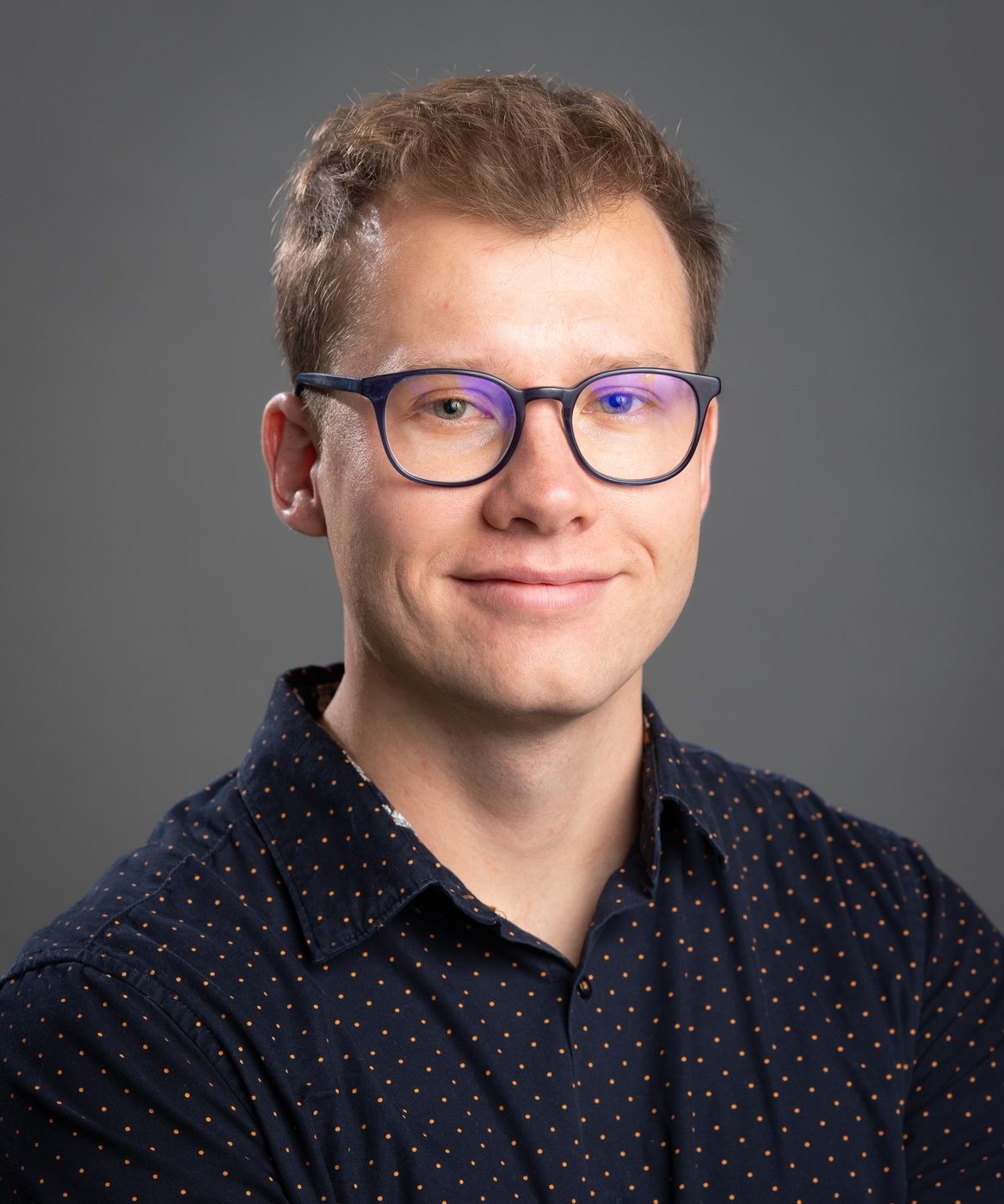
Szczepan Olszewski

Szczepan. It looks harder than it sounds,
just say STEFAN ol-SEFF-ski

AGING AND PERFORMANCE SCIENCE

I'm a performance and longevity scientist.
I study how muscle ages

And how to keep yours strong for the decades ahead.

  • I write The Reserve, a newsletter that translates muscle and aging research into things you can use.
  • I coach a small number of clients directly.
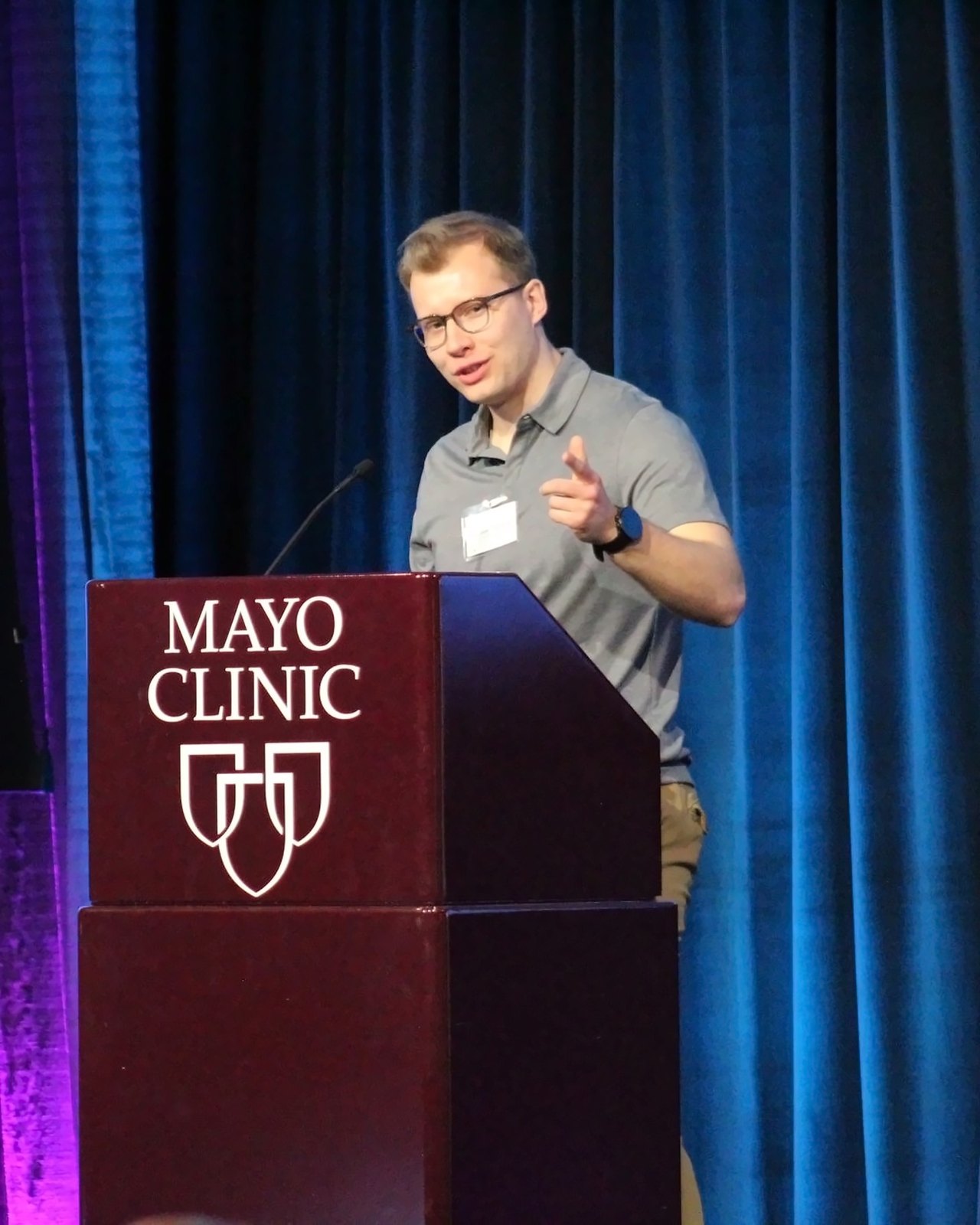
Szczepan Olszewski speaking at a podium marked Mayo Clinic

MY STORY

A study isn't finished when it's published. It's finished when it reaches someone who can use it.

Most of what we learn about muscle and aging never leaves the journals. It stays behind paywalls and on conference posters, out of reach. So the people who could use it look elsewhere, and what they find is supplement ads and gym myths. These are adults in their 40s and 50s who feel their strength starting to slip and want to know how to get it back.

A scientist's job doesn't end at publication. That's why I write The Reserve: the science I do in the lab, in plain language, for the people who actually need it.

RESEARCH PATH

The same question, lab after lab

How does muscle age, and what protects it? I've followed that question through my whole research career.

2017 to 2023 · Gdańsk, Poland

Foundation

  • Medical University of Gdańsk (GUMed) BSc, Dietetics · Thesis on exercise and brain health
  • University of Gdańsk MSc, Medical Biology · Thesis on muscle hypertrophy and fibrosis

In Poland, I worked in the Division of Bioenergetics and Physiology of Exercise at GUMed, on both clinical and preclinical research.

Minister of Education and Science Scholarship For significant academic achievements · one of ~400 nationwide · 2022/2023

Where it started

2021 to 2022 · Europe

Following my interests

  • European Space Agency Human Space Physiology training course
  • Marche Polytechnic University, Italy Erasmus+ molecular biology internship
  • Cologne Graduate School of Aging Research Aging research summer school

I wanted to understand how the body adapts under stress, from the acute extremes of demanding environments to the slow, chronic strain of aging.

Training that widened how I think about aging and human performance

2022 to 2023 · Oklahoma City, OK

Fulbright

  • Oklahoma Medical Research Foundation Fulbright BioLAB Fellowship · Aging and Metabolism Program

A year studying how muscle scars, grows, and wastes away when it goes unused, measuring how fast the body breaks it down and rebuilds it.

The year I decided muscle biology of aging was the question to follow

2023 to present · Madison, WI

PhD candidate

  • University of Wisconsin–Madison PhD, Cellular and Molecular Biology

I study how exercise preserves muscle on GLP-1 medications and mTORC1 inhibitors, especially the muscle loss that hits when people come off these drugs, in mice and people.

Now I follow the question

Strip away the labs and it's one question: how do you stay strong enough to live the way you want, for the decades to come?

WHY MUSCLE

Muscle is a reserve

In most clinics this is never measured and never treated, until it shows up as frailty.

You can't improve what you don't measure

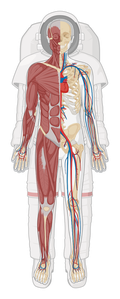
You build it up until your 30s and spend it down slowly across the decades. Muscle is what keeps you upright when you stumble, and what makes you more resilient to illness, medication, or age. Think of it as the spacesuit you live in for the whole mission. The one you build at the start is the one that carries you the whole way.

  • Muscle mass, strength, power, and endurance begin to decline in your 30s, and the loss speeds up each decade after.
  • Muscle is the one tissue that still responds to training at any age, including your 70s and 80s.
  • Strength and power are what let you stand up, catch a fall, and recover from illness or surgery.
Read The Reserve
100% 75% 50% 25% 0% 30 40 50 60 70 80 AGE % YOU KEEP Approximate trajectories from the sarcopenia literature: Janssen (2000), Mitchell (2012), Reid & Fielding (2012). −30% MASS −50% STRENGTH −70% POWER LESS RESERVE to draw on during illness, injury, or aging HALF THE FORCE to lift groceries or open a door SLOWER REFLEXES make a stumble harder to catch

The strength you build now is the reserve you draw on for the rest of your life. My job is making sure you build enough of it.

Szczepan Olszewski signature

WORK WITH ME

Coaching

Who I work with

Adults past 30 who feel the clock has started and want to get ahead of it. Most come to me a little lost: should you lift, run, or do cardio, which supplements matter, how it all fits with your established care. I take that off your plate. I build one program around your body, your life, your medications, and the training you actually enjoy, so you stop guessing and stop forcing yourself through workouts you hate.

Why work with me

Most studies test one thing at a time: a drug, a supplement, or a training program, each on its own. Real life isn't like that. You might be training, on a medication, managing a condition, and getting older, all at once. How those things interact is the question I study in the lab, in mice and in people. A single study can't tell you that, and it's where I can help, drawing on my experience.

The science drives the coaching. Across my research career I've also worked with clients one-on-one, and I hold a USA Weightlifting Level 1 coaching certification. My own training involves aerobic exercise, calisthenics, and weightlifting, so I coach from experience as well as from the literature.

Who I'm not for

I'm not the coach for a fast transformation or a one-event peak. I train people more like decathletes: strong across the board and built to last, so you can still do what you love decades from now.

THE APPROACH

Four things I focus on, in order

It's how I read the science, and how I work. The plan changes when the data does.

Design

Training designed around your physiology, your goals, your lifestyle, your medications, and what you actually enjoy doing. Built so the pieces amplify each other instead of cancelling out. A plan you enjoy is a plan you keep.

  • Strength and power programming
  • Aerobic capacity development
  • Recovery and sleep design
  • Injury-resilient movement

Interpretation

Your wearable, body composition, and performance metrics, interpreted together. What's working, what's not, and what to change first.

  • HRV and recovery trends
  • VO₂max and threshold testing
  • Sleep and load balance
  • Strength and power benchmarks

Protection

As a scientist, I read your clinical data and translate it into practice: what your training can and can't do given where you are. Your physician manages your medications; I design the training that fits them.

  • Diet and supplement consulting
  • Training built around your medications
  • Recovery adjustments
  • Physician collaboration

Projection

Specific strength, power, and aerobic programs that keep you independent for life. Benchmarks set for your age and your goals, so you keep becoming the strongest version of yourself.

  • Validated functional tests
  • Strength benchmarks by decade
  • Aerobic capacity targets
  • Annual reassessment and reset
Start a conversation

Recent issues

New articles will appear here as they publish

QUESTIONS

Frequently asked

How fast do you lose muscle as you age?

It starts in your 30s and speeds up each decade. Strength and power fall faster than size, which is why someone can look the same but lose the force to climb stairs or catch a fall. The good news: muscle still responds to training at any age, including your 70s and 80s.

Does losing muscle cause frailty?

Largely, yes. In most clinics muscle is never measured and never treated, until it shows up as frailty: falls, slow recovery, lost independence. Training that keeps your strength and power is what protects against that, and it's most of what I help people do.

What makes your approach different?

I have years of skeletal muscle research experience. That changes what I measure, what I have you train, and how I read the data when it comes back. Your training is built around your physiology, designed from the same literature I do my own research in.

Do you take new clients?

Yes, on a selective basis. I take a small number of clients per year so each one gets real attention. If the fit is right, we go deep. If it isn't, I'll tell you and try to point you somewhere better.

What if I have a comorbidity or am on medication?

That's exactly the context I work in. I partner with your doctor as a team, toward your goals.

Do you work online or in person?

Primarily online, so I work with clients remotely across the US and Poland. In-person work is possible by arrangement.

Can we work in Polish?

Yes. I work in both Polish and English.

Is this medical advice?

No. This is performance coaching, not medical advice, diagnosis, or treatment. Your physician manages your medications; I design the training that fits them.

CONTACT

Get in touch

Tell me what you're working toward and how I might help. I reply within a few days.

WHAT BRINGS YOU HERE?(select one or more)

Doesn't fit? Just tell me below.